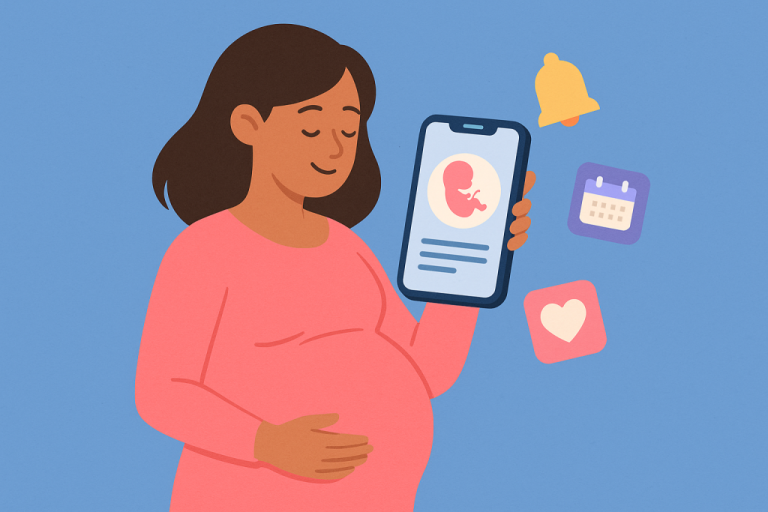
Cell phones don't measure glucose. Measurement is still done using a glucometer with a test strip and a drop of blood, or a continuous glucose sensor. These apps store these values, show the progression, and generate reports for consultation.
In the modern world, where technology advances by leaps and bounds, health is not left behind. Diabetes, being one of the most prevalent chronic conditions globally, has seen a revolution in the way it is monitored and managed, thanks to the advent of mobile apps. These apps have emerged as vital tools to help individuals with diabetes keep close control over their blood glucose levels, diet, exercise and medication.
Using these apps not only makes it easier to manage the condition on a day-to-day basis but also empowers users to make informed decisions about their lifestyle and treatment. With user-friendly interfaces and customizable features, they offer detailed monitoring that can be easily shared with healthcare professionals, thus improving doctor-patient communication and enhancing treatment results.
The App Revolution in Diabetes Management
The introduction of diabetes management apps marked an era of independence and control for many individuals living with the condition. Through glucose graphs, medication reminders, food and exercise diaries, these applications offer an integrated platform that supports the user in managing their health.
MySugr
MySugr is one of the most popular apps on the market for managing diabetes. With a playful and easy-to-use interface, it aims to transform the tedious task of monitoring blood glucose into something fun. The app allows users to record their blood sugar levels, foods consumed and physical activities, offering personalized feedback and motivational challenges.
Additionally, MySugr has an HbA1c estimation function, providing an overview of glycemic control over time. This helps users understand how different aspects of their lifestyle affect their glucose levels, facilitating necessary adjustments to improve control of the condition.
Gluco
Gluco is another innovative app that helps with diabetes monitoring. It offers a complete system for recording and analyzing glucose levels, carbohydrate intake, insulin doses and physical exercise. What sets Gluco apart is its ability to generate detailed reports, which can be shared with the user's doctor, optimizing treatment.
The app also has reminder features to help users stay up to date with their measurements and medications, reducing the risk of complications associated with diabetes.
Diabetes:M
Diabetes:M is recognized for its accuracy and depth of functionality. It allows users to track almost every aspect related to their condition, including blood glucose levels, food intake, insulin and other medications, as well as blood pressure and weight.
A notable feature of Diabetes:M is its ability to integrate data from continuous glucose monitoring (CGM) sensors, offering real-time analysis and alerts to prevent hypoglycemia or hyperglycemia.
Sugar Sense
Sugar Sense stands out for its simplicity and effectiveness in monitoring blood glucose levels. The app is designed to be intuitive, making it easy to quickly record blood sugar levels, which is especially useful for users who prefer a more direct approach without complicated features.
It offers analyzes and graphs that help visualize glycemic control over time, in addition to allowing the monitoring of personal goals, contributing to improved diabetes management.
Glooko
Glooko provides a robust diabetes management solution, compatible with more than 80 glucose monitoring devices and insulin pumps. It allows automatic synchronization of data, facilitating the monitoring and analysis of levels of
glucose, physical activities, diet and medication.
With advanced features such as the ability to offer personalized insights and data-driven decision support, Glooko is a valuable tool for people seeking meticulous control of their condition.
Exploring Additional Features
In addition to basic glucose monitoring, many of these apps offer additional functionality that can enrich the user experience. Features such as medication reminders, food logging and trend analysis allow for more complete and personalized diabetes management. Actively engaging in the use of these tools can lead to a better understanding of the condition and more effective glycemic control.
FAQ – Frequently Asked Questions
Q: Do diabetes apps replace medical monitoring?
A: No. Apps are complementary tools that help manage diabetes, but regular medical monitoring is essential for safe and effective treatment.
Q: Can I use these apps for any type of diabetes?
A: Yes, most apps are designed to be useful for both people with type 1 and type 2 diabetes, offering customizable functionality according to each user's needs.
Q: Is it safe to share my health data with these apps?
A: Applications generally use security protocols to protect user data. However, it is important to read each app's privacy policies to understand how your information is collected, used and protected.
Q: How do I choose the right app for me?
A: Your choice of app depends on your specific needs, interface preferences, and desired features. Trying out different apps and exploring their features can help you find the one that suits you best.
Continuous sensor: why the arm number sometimes disagrees with the finger number
Those who use continuous monitoring often experience this: the sensor shows one value, the finger prick shows another, and the question arises as to which one is faulty. Usually, neither is. They measure in different places.
The sensor has a thin filament placed just below the skin and reads the glucose from the fluid that bathes the cells, not from the blood circulating in the artery. It takes a few minutes for glucose to balance between one compartment and the other. While the value is stable, the two numbers are close; when blood glucose is rising or falling rapidly—after eating, after injecting insulin, at the end of a walk—the sensor naturally lags behind the finger reading.
- Bigger difference in fast movement It is expected, not a defect.
- First hours after insertion These tend to be the least stable, because the tissue is still settling.
- Sleeping on top of the sensor It can cause a false drop due to compression, which disappears when you change position.
- Symptom that doesn't match the screen. It asks for confirmation with a finger prick. The body takes priority over the graph.
The real gain from the sensor isn't the isolated number, but rather the trend arrow: knowing that the same value is rising rapidly is completely different information from seeing it stable. That's what a finger measurement alone doesn't show.
Glycated hemoglobin and time in target: two photos of the same control.
During the consultation, you will hear about two indicators, and understanding the difference changes how you use the app. Glycated hemoglobin is a blood test that reflects the average blood glucose level over the past few months because it measures the fraction of glucose that has remained bound to hemoglobin throughout the life of red blood cells. It's a long-term snapshot.
The problem with averaging is well-known: it hides the balance. Two people can have the same glycated hemoglobin result, one with reasonably consistent days and the other alternating high peaks with drops—and the second situation is much more uncomfortable and risky. Furthermore, conditions that alter red blood cells can distort the test, which the professional takes into account.
This is where time on target comes in, calculated from continuous recording: the proportion of the day in which blood glucose remained within the range agreed upon with your team. One shows the accumulated result, the other shows how you arrived at it. The app is precisely the tool that produces the second—provided the record exists.
How to write a report that a doctor can read in two minutes.
Arriving with hundreds of loose lines on your phone screen consumes consultation time and doesn't accomplish anything. Useful material has the following form:
- Choose a closed period., Typically, the previous two to four weeks' worth of data should be exported to a file. A printed copy or a PDF opened on a computer reads better than scrolling on a small screen.
- Group by time of day, ...and not in purely chronological order. This is how the pattern emerges: fasting, before and after meals, early morning.
- Mark the unusual events.Travel, illness, change of routine, exam week, night shift.
- Bring the written questions., In order of importance, because the consultation ends sooner than you think.
- Bring the device and the tape case as well. Having someone look at the technique correctly resolves doubts that no chart can solve.
If the application allows sharing the history via link or code with the team, confirm beforehand that the service actually tracks through this channel. Sharing something that no one on the other side opens is the same as not sharing it at all.
Materials from the SUS (Brazilian Public Health System): what exists beyond the app?
No record is useful if there's no test strip to measure blood glucose, and this is legally mandated in Brazil. Law 11.347/2006 addresses the free distribution of medications and materials necessary for insulin administration and capillary blood glucose monitoring for people with diabetes enrolled in an education and follow-up program.
In practice, the process begins at the primary health care unit: registration, a valid prescription, periodic renewal, and dispensing according to your municipality's protocol, which defines quantities and items. Insulin and oral medications are also included in the popular pharmacy program, dispensed free of charge at accredited pharmacies with a prescription in hand. It's worth asking at your local health unit what's available in your city instead of assuming you need to buy everything.
Where do your blood glucose data end up?
It's important to understand the business model, because it's not what it seems. Many diabetes apps are free because they belong to manufacturers of the meter or sensor: the device is cheap and the money comes from the recurring sale of test strips and sensors. The app exists to keep you within that ecosystem. Others follow the common advertising model, with a subscription to unlock reports and backups.
Three practical checks before entrusting your history to any of them. First: is it possible to export everything to a file, in case the service ends or you change devices? Second: can you turn sharing with a family member on and off, with the possibility of revoking it? Third: is there a permanent account deletion option, and does the privacy policy state whether there is sharing with third parties for advertising? A blood glucose diary does not need access to contacts or continuous location to function.
What else do we get asked?
Can I switch apps without losing my history?
It depends on whether the current app allows exporting to a file, usually CSV or PDF. Export before deleting anything and save the copy off your phone. Importing into the new app isn't always automatic, but the file will still be useful for reference.
Does the app work without internet?
The registration itself usually works offline, synchronizing afterward. Cloud features, sharing, and online reporting require an internet connection. If you live in an area with poor signal, test this before adopting.
Can the same app be used for two people in the same household?
Some offer separate profiles, but mixing data from two people in the same profile ruins any analysis. If you don't have multiple profiles, use different apps or accounts.
Is it okay to rely on the chart to change your diet on your own?
The chart shows what happened; it doesn't tell you what to do. Changes to diet, activity, or medication are decided with your healthcare team, using the record as evidence—which is precisely its purpose.
Conclusion
Diabetes monitoring apps have transformed the way individuals manage their condition, offering tools that promote more effective control and a better quality of life. With varied functionality, from basic glucose monitoring to detailed analysis and decision support, these apps represent a significant advancement in diabetes self-management. Although they do not replace medical monitoring, they are valuable resources that, when used correctly, can significantly improve disease control and users' well-being.